561-220-2345
About
Paul Saperstein – The Premier Real Estate Broker for 55+ Active Adult Communities in Boca Raton, Delray Beach & Boynton Beach
Whether you're buying, selling, downsizing, relocating, or searching for the perfect retirement lifestyle, choosing the right real estate professional can make all the difference. Paul Saperstein specializes exclusively in South Florida's 55+ active adult communities, providing expert guidance, innovative marketing, and personalized service that helps clients achieve exceptional results.
With more than 28 years of real estate experience, Paul has become one of the area's most recognized experts in active adult living throughout Boca Raton, Delray Beach, and Boynton Beach. His extensive market knowledge, strategic negotiation skills, and concierge-level service have helped buyers and sellers navigate every stage of the real estate process with confidence.
Whether you're purchasing your forever home, selling a longtime residence, relocating to Florida, or investing in a seasonal property, Paul provides the experience and local expertise to help you make informed decisions and maximize your investment.
South Florida's Trusted 55+ Active Adult Community Expert
Success in the active adult market requires much more than simply selling homes. Every community has its own lifestyle, HOA regulations, clubhouse amenities, monthly fees, equity requirements, architectural styles, floor plans, resale history, and buyer demand.
Paul understands these details because he works in these communities every day.
His expertise includes many of South Florida's most desirable 55+ communities, including:
Valencia communities by GL Homes
Century Village Boca Raton
Kings Point Delray Beach
Huntington Pointe
Huntington Lakes
Lakes of Delray
Majestic Isles
Palm Isles
Coral Lakes
Floral Lakes
...along with dozens of other active adult communities throughout Boca Raton, Delray Beach, Boynton Beach, and the surrounding Palm Beach County area.
This specialized knowledge allows Paul to accurately price homes, position listings to attract qualified buyers, anticipate challenges before they arise, and negotiate the strongest possible terms for his clients.
Innovative Marketing That Gives Your Home Maximum Exposure
Today's buyers begin their search online, and exceptional marketing has never been more important.
Every listing receives a comprehensive marketing strategy designed to maximize exposure, generate interest, and attract qualified buyers from both Florida and across the country.
Paul's marketing program includes:
Professional HDR photography
FAA-compliant aerial drone photography and video
Cinematic property video tours
Interactive virtual tours
Professional floor plans
Dedicated single-property websites
Mobile-optimized property presentations
YouTube marketing
Facebook, Instagram, LinkedIn, and social media campaigns
MLS syndication across hundreds of real estate websites
Google Business Profile optimization
AI search optimization (AEO)
Google indexing strategies that help listings and community pages appear in search results
Zillow Showcase marketing when available
Email marketing campaigns
Targeted digital advertising designed to reach buyers relocating from New York, New Jersey, Connecticut, Pennsylvania, Ontario, and other high-demand markets
This comprehensive marketing strategy helps your property stand out while reaching the largest possible audience of qualified buyers.
White-Glove Service From Listing to Closing
Buying or selling within a 55+ community often involves unique considerations, including HOA regulations, community approvals, capital contribution fees, clubhouse memberships, maintenance programs, insurance requirements, and resale restrictions.
Paul provides clear guidance throughout every step of the process, ensuring clients understand every detail before making important decisions.
From pricing and staging recommendations through negotiations, inspections, financing, and closing, clients receive responsive communication, honest advice, and exceptional service from beginning to end.
Why Buyers and Sellers Choose Paul Saperstein
Clients consistently choose Paul because of his:
Exclusive focus on South Florida's 55+ active adult communities
More than 28 years of real estate experience
Hyper-local knowledge of neighborhoods, amenities, and HOA requirements
Strategic pricing and expert negotiation skills
Advanced digital and AI-powered marketing strategies
Professional photography, drone video, virtual tours, and floor plans
Concierge-level service throughout every transaction
Strong communication and attention to detail
Commitment to protecting his clients' best interests
Relocating to South Florida?
Many of Paul's clients relocate from across the United States and Canada in search of South Florida's active adult lifestyle.
He helps buyers compare communities, understand HOA requirements, evaluate amenities, explore lifestyle options, and identify neighborhoods that best fit their goals, budget, and preferred way of living. Whether you're moving full-time or purchasing a seasonal residence, Paul provides local insight that makes relocating significantly easier.
Expertise Beyond Traditional Residential Sales
Paul's experience extends across a wide range of real estate specialties, including:
Active Adult Communities
Luxury 55+ Living
Waterfront Homes
Golf Course Communities
Estate Sales
Probate Real Estate
Relocation Services
Vacation & Second Homes
Investment Properties
Put South Florida's Premier 55+ Real Estate Expert to Work for You
If you're considering buying or selling in Boca Raton, Delray Beach, Boynton Beach or another South Florida active adult community, work with a broker who understands both the market and the lifestyle.
Contact Paul Saperstein today for a personalized consultation and discover how experience, local expertise, innovative marketing, and exceptional service can help you achieve your real estate goals.
You'll feel better when you hire Paul Saperstein—South Florida's premier 55+ active adult real estate broker.
Explore Our Best
real estate services

Boca Raton

Boynton Beach

Delray Beach
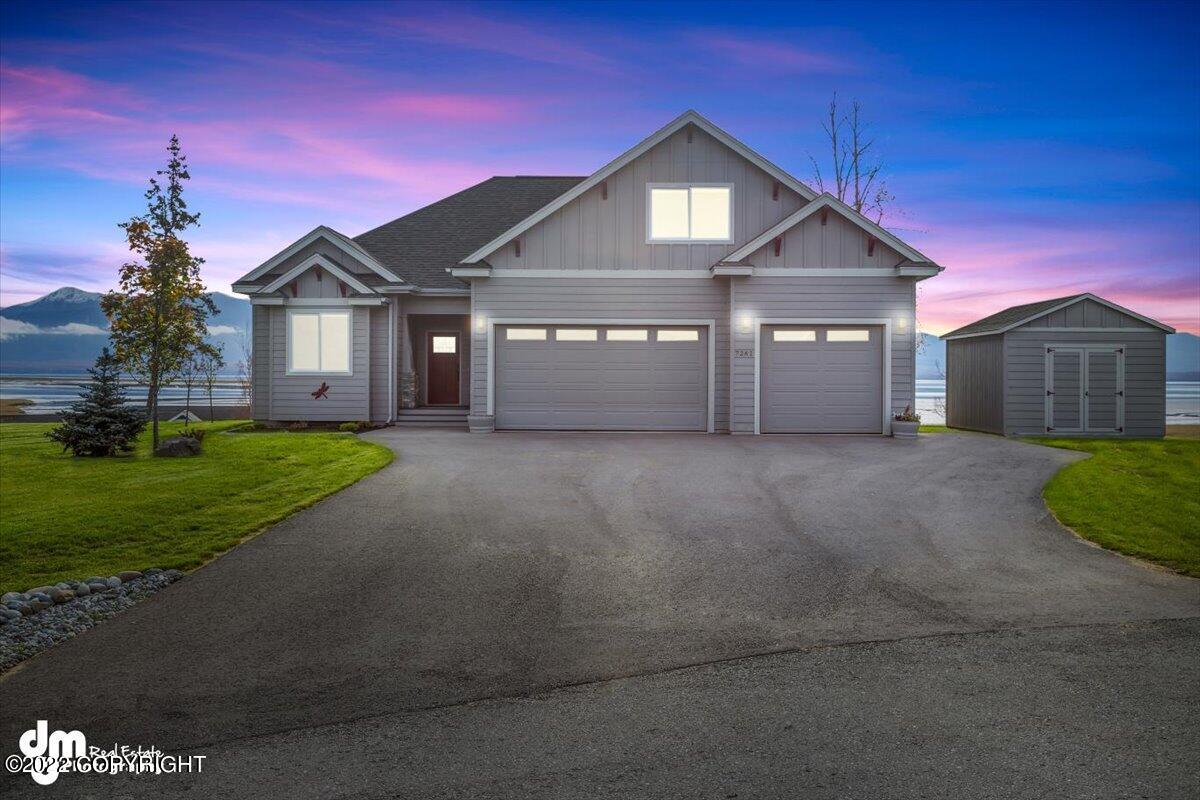
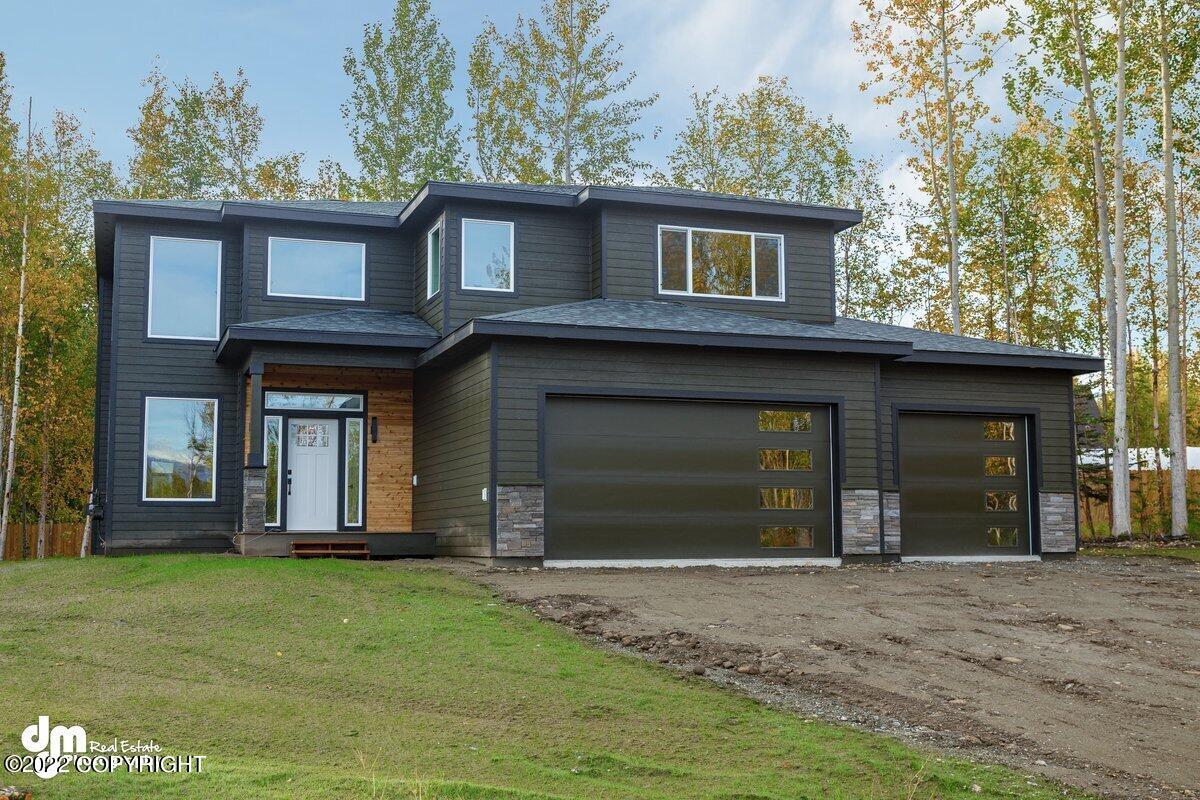
What You Looking
Let's Help You

Buying A Home?
Buying your first home should be a rewarding and exciting time in your life, and one that you look back on with fond memories.

Selling A Home?
If you’re selling your home right now, or thinking about doing it soon, you should know that today’s housing market is unlike anything.
Ask Something With Us
Frequently Asked Questions
Why You Need a Realtor?
When buying or selling a home, there are so many options…which can also present a lot of obstacles. Laws change, forms change, and practices change all the time in the real estate industry. Because it’s our job to stay on top of those things, hiring a realtor reduces risk, and can also save you a lot of money in the long run.
When you work with me as your Realtor, you’re getting an expert who knows the area; knows how to skillfully guide your experience as a seller or buyer; can easily spot the difference between a good deal and a great deal. My job is to translate your dream into a real estate reality, and I work hard to earn and keep my business. This also means earning your trust: When you work with me, you’ll be working with a realtor who looks out for your best interests and is invested in your goals.
Which loan should you choose?
There are two different types of loans conventional loans and government-backed loans. The main difference is who insures these loans:
1 - Government-backed loans (FHA, VA and USDA):
(a) - Are, unsurprisingly, backed by the government.
(b) - Include FHA loans, VA loans, and USDA loans.
(c) - Make up less than 40 percent of the home loans generated in the U.S. each year.
2 - Conventional loans:
(a) - Are not backed by the government.
(b) - Include conforming and non-conforming loans (such as jumbo loans).
(c) - Make up more than 60 percent of the loans generated in the U.S. each year.
What is the difference between FHA, VA and USDA loans?
1 - FHA LOANS:
FHA loans, which are insured by the Federal Housing Administration, are typically designed to meet the needs of first-time homebuyers with low or moderate incomes. FHA loans can be approved with a down payment of as little as 3.5 percent and a credit score as low as 580.
FHA loans are often called “helper loans,” because they give a leg up to potential borrowers who may not be able to secure one otherwise. For this reason, FHA loans have maximum lending limits, which are determined based on housing values for the county where the for-sale home is located.
Because the agency is taking on more risk by insuring FHA loans, the borrower is expected to pay mortgage insurance both at the time of closing and on a monthly basis, and the property must be owner-occupied.
2 - VA LOANS:
VA loans are backed by the Department of Veterans Affairs and they are guaranteed to qualified veterans and active-duty personnel and their spouses. VA loans can be approved with 100 percent financing, meaning VA borrowers are not required to make a down payment.
Unlike FHA loans, borrowers do not have to pay mortgage insurance on VA loans.
3 - USDA LOANS:
You may also hear about USDA loans, which are backed by the United States Department of Agriculture mortgage program. USDA loans are intended to support homeowners who purchase homes in rural and some suburban areas. USDA loans do not require a down payment and may offer lower interest rates; borrowers may have to pay a small mortgage insurance premium in order to offset the lender’s risk.
What’s a conventional loan? Understanding what it means to be conforming and non-conforming
Buyers who have a more established credit history and a larger down payment may prefer to apply for a conventional loan. These loans may offer a lower interest rate and only require the home buyer to purchase monthly mortgage insurance while the loan-to-value ratio is above a certain percentage, so a conventional loan borrower can typically save money in the long run.
Conventional loans are divided into two types: Conforming loans and non-conforming loans.
1 - CONFORMING LOANS:
Conforming loans are those that meet (or conform to) predetermined standards set by Fannie Mae and Freddie Mac — two government-sponsored institutions that buy and sell mortgages on the secondary market. By selling the loans to "Fannie and Freddie," lenders can free up their capital and return to issue more mortgages than if they had to personally back every loan that they approve.
The main standard for conforming loans is that the amount borrowed must be under a certain amount; in Alaska, a single-family home loan must be under $647,200 in order to be considered conforming.
Properties with more than one unit have higher limits.
2 - NON-CONFORMING (JUMBO) LOANS:
But what happens if a borrower wants to borrow more than the Freddie- and Fannie-approved loan amount? In this case, they would have to apply for a “jumbo loan,” which is the most common type of non-conforming loan.
Because the lender cannot resell the jumbo loan (or any non-conforming loan) to Freddie Mac or Fannie Mae, jumbo loans are considered to be riskier than a conforming loan. To protect against this risk, the bank will typically require a higher down payment; the interest rate on a jumbo loan may also be higher than if the same borrower applied for a conforming loan.
What kind of rate should I choose?
Rate types: Fixed-rate vs. adjustable-rate mortgages.
In addition to the loan type you choose, you’ll also have to determine if you want a fixed-rate mortgage or an adjustable-rate mortgage (ARM). A fixed-rate mortgage has an interest rate that does not change for the life of the loan, so it provides predictable monthly payments of principal and interest.
An adjustable-rate mortgage typically offers an initial introductory period with a low-interest rate. Once this period is over, the interest rate adjusts periodically, based on the market index. The initial interest rate on an ARM can sometimes be locked in for different periods, such as one, three, five, seven, or 10 years. Once the introductory period is over, the interest rate typically readjusts annually.